Grading and Leveling
Land Grading in Lancaster, OH for Level, Well-Drained Yards
Uneven ground, standing water and washed-out slopes all trace back to grade. Call (740) 243-3073 to get your yard shaped right.
The Ground Beneath It All
Land Grading That Sets Up Everything Built Above It
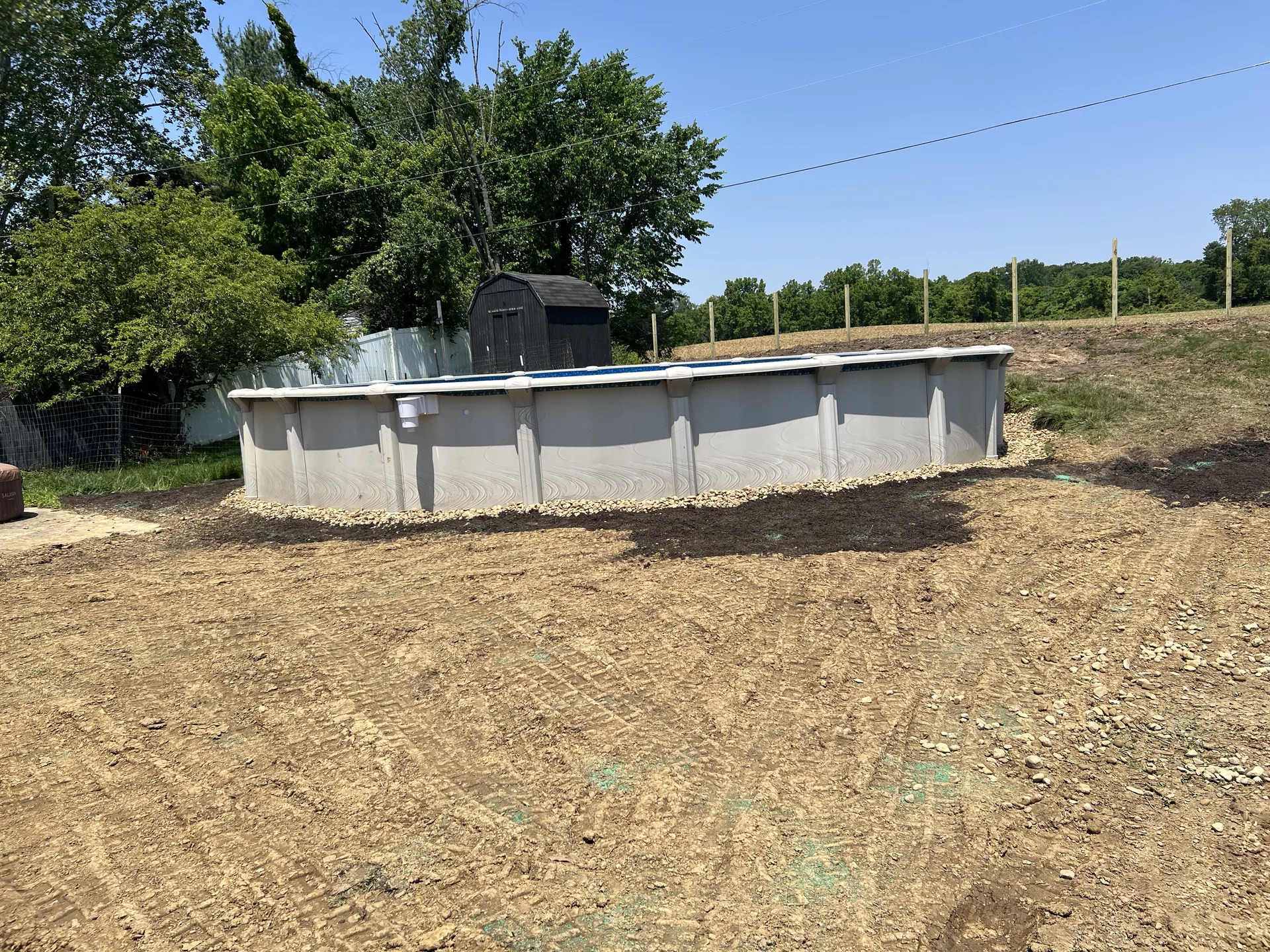
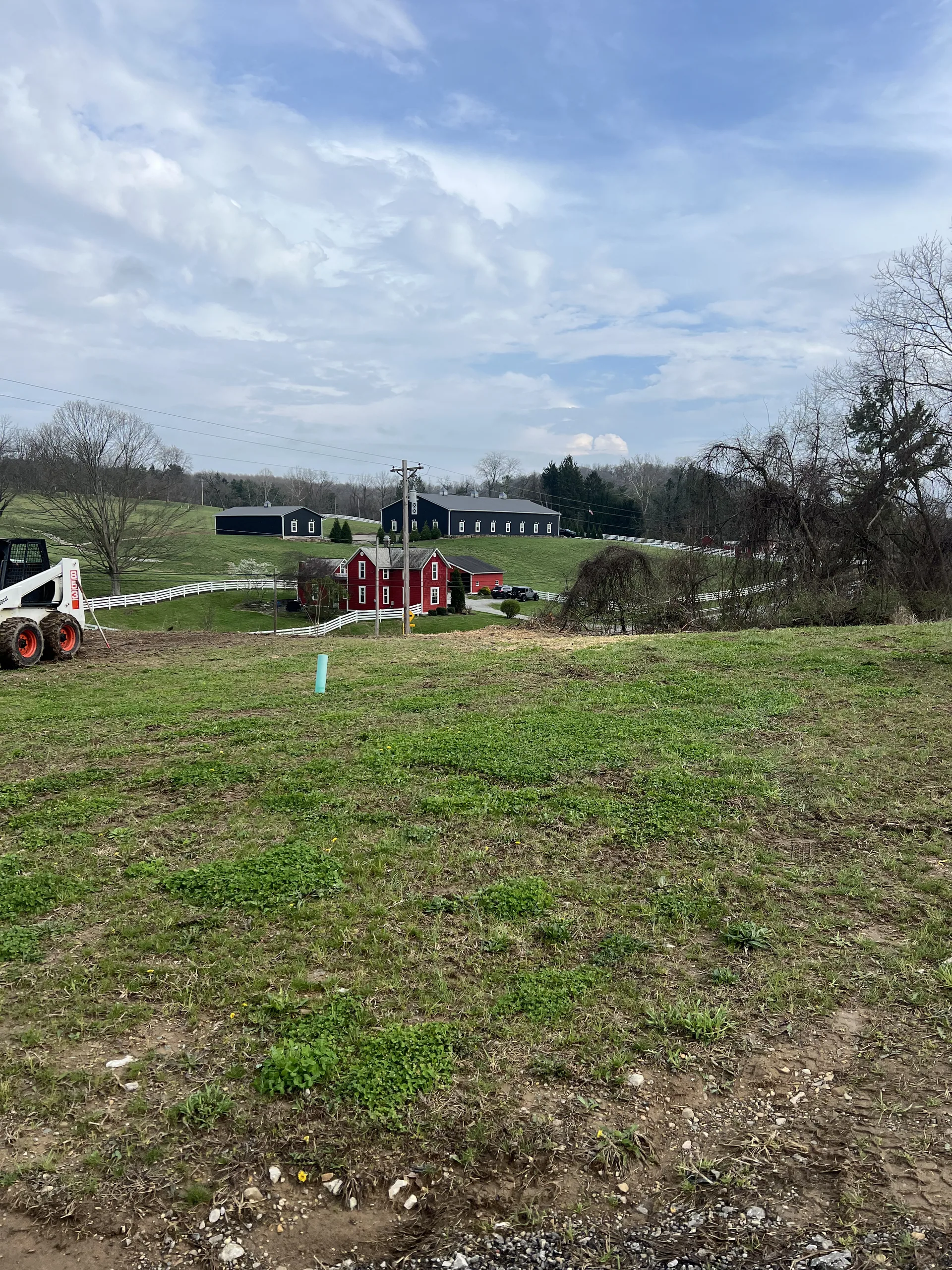
The Sunshine Scenery Landscaping & Lawncare, LLC offers land grading in Lancaster, OH, for homes and commercial properties with uneven ground, drainage problems or slopes that need correcting. Grading means reshaping the surface of the soil so it sits at the right height and angle. Land grading in Lancaster, OH, is often the first step before a new lawn, patio or bed, because everything built later depends on the ground beneath it.
A well-graded yard sends rainwater away from buildings, mows smoothly and gives patios, beds and lawns a stable surface. Owner Landon Huffer leads a local, licensed and insured crew that explains the work in plain terms. Call (740) 243-3073 to have your property looked at. Most yards need only part of the property regraded.
Signs Your Yard Has a Grading Problem
Grading problems tend to show up after heavy rain or during the first mow of spring. Water moving the wrong way is the most common thread.
- Water pooling near the foundation or seeping into the basement
- Puddles that sit in the lawn for days after rain
- Low spots, ruts and bumps that scalp the grass when you mow
- Soil, mulch or gravel washing onto walkways and driveways
- Bare channels cut into a slope by running water
- Ground that has settled over a filled trench or around an addition
Correcting the grade fixes the cause rather than the symptoms. A few inches of soil in the right place can change how a whole yard drains.

How Grading Works
Our Grading and Leveling Process
Grading is mostly about where water goes, so every job starts with how the land slopes today. State law calls for notice to OHIO811 at least 48 hours before any digging, so buried lines are located before the first shovel of soil moves.
-
Walk the Site and Read the Water
We look at where water collects, where the ground sits high or low and how the property drains toward a street or ditch. That shows what soil needs to move and where.
-
Mark Utilities and Set the Grade
Buried lines are marked, then a target grade is set so the ground slopes away from buildings and toward a safe place for water to go.
-
Move, Shape and Compact the Soil
Soil is cut from high spots, added to low spots and spread to the planned slope. Fill is compacted in layers so it does not settle into new dips later.
-
Final Pass and Walkthrough
The surface is smoothed and left ready for grass, beds or hardscaping. We walk the site with you and follow up after the job to see how the yard is draining.
Soil Grading and Yard Leveling for Smoother Ground
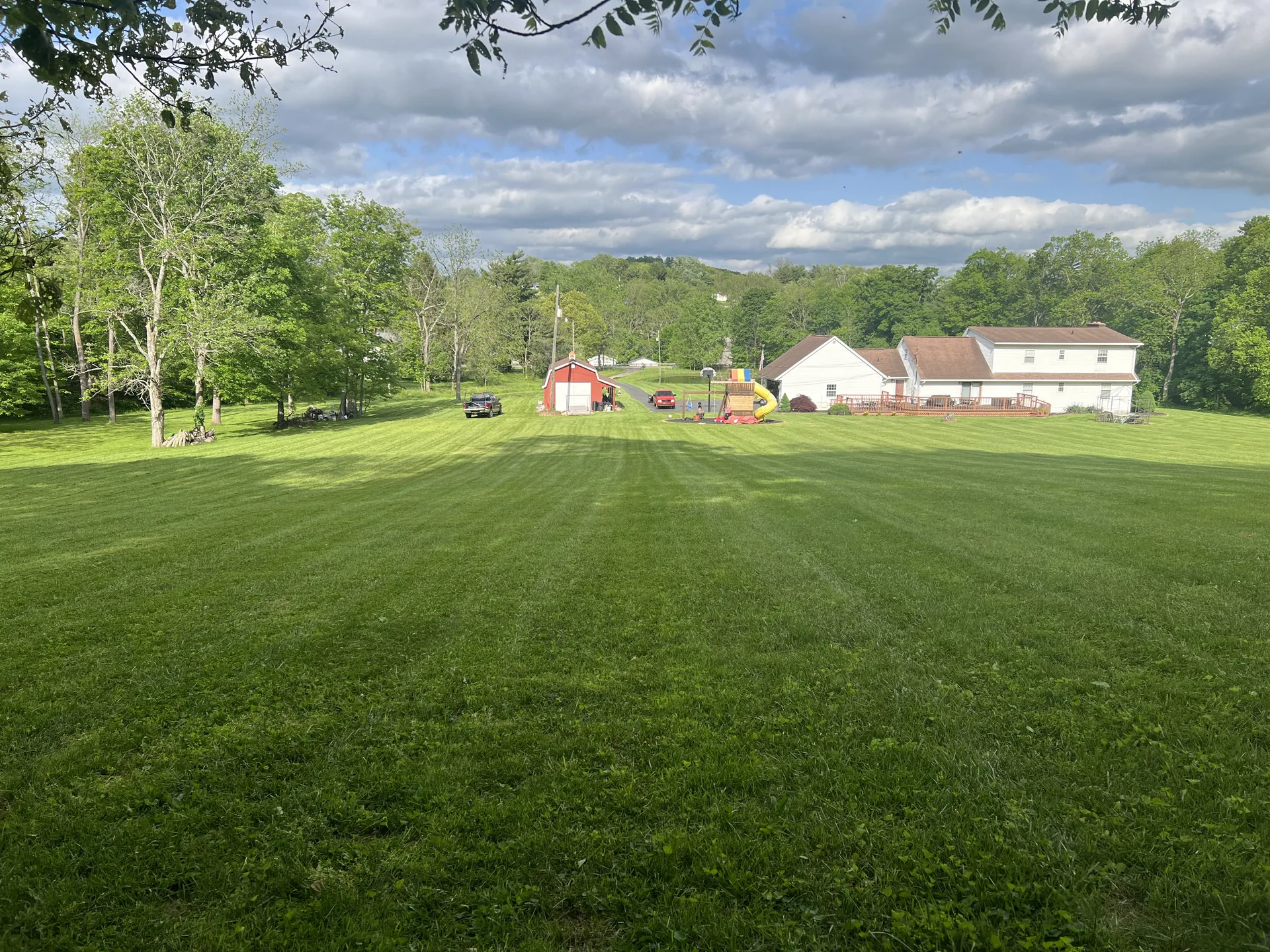
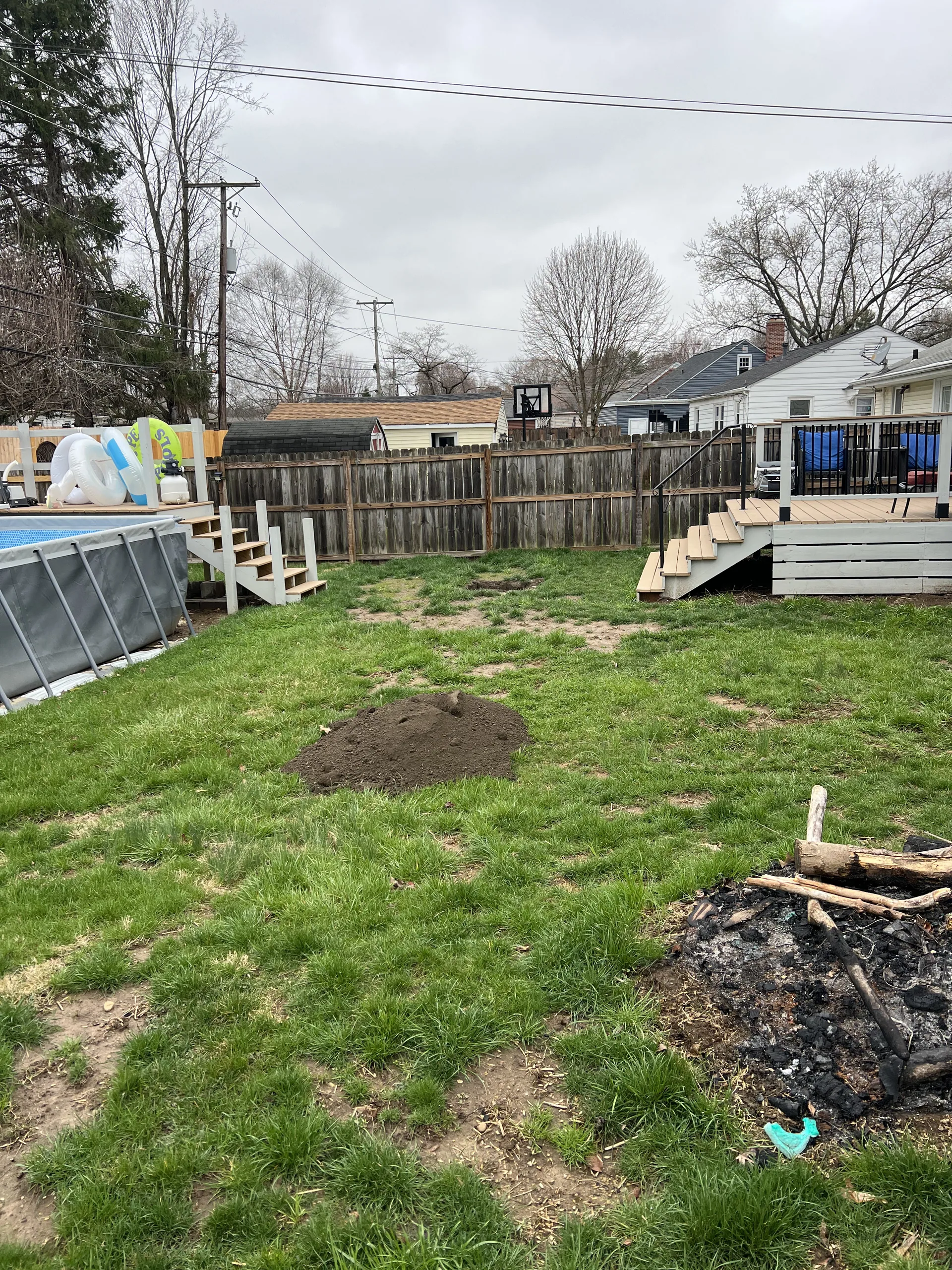
Soil grading reshapes the overall slope of a property, while yard leveling smooths out the smaller dips, ruts and humps within it. Both make a yard safer to walk on and easier to mow, and both prepare the ground for new grass or beds.
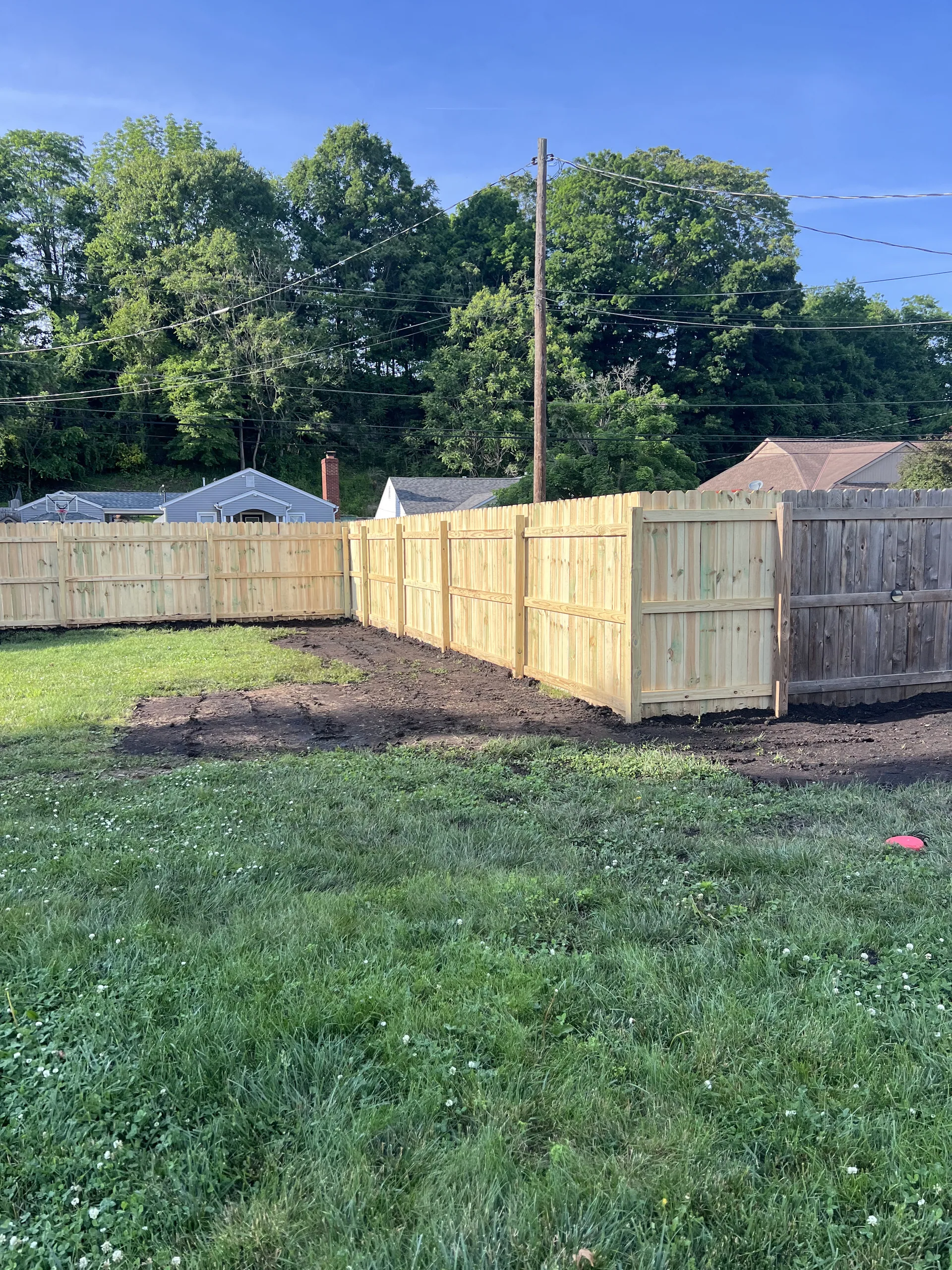
Lawn leveling often follows years of settling, tire ruts, removed trees or old garden beds. Low spots are filled with soil and high spots are cut down, then the surface is raked to a smooth, even finish. Leveling also removes trip hazards that hide in tall grass.
Large areas are shaped with equipment. Small touch-ups near beds and walkways are done by hand so nothing already in place gets disturbed. Land grading in Lancaster, OH, and smaller leveling jobs both start with checking how deep each low spot runs, so the right amount of soil goes back in.
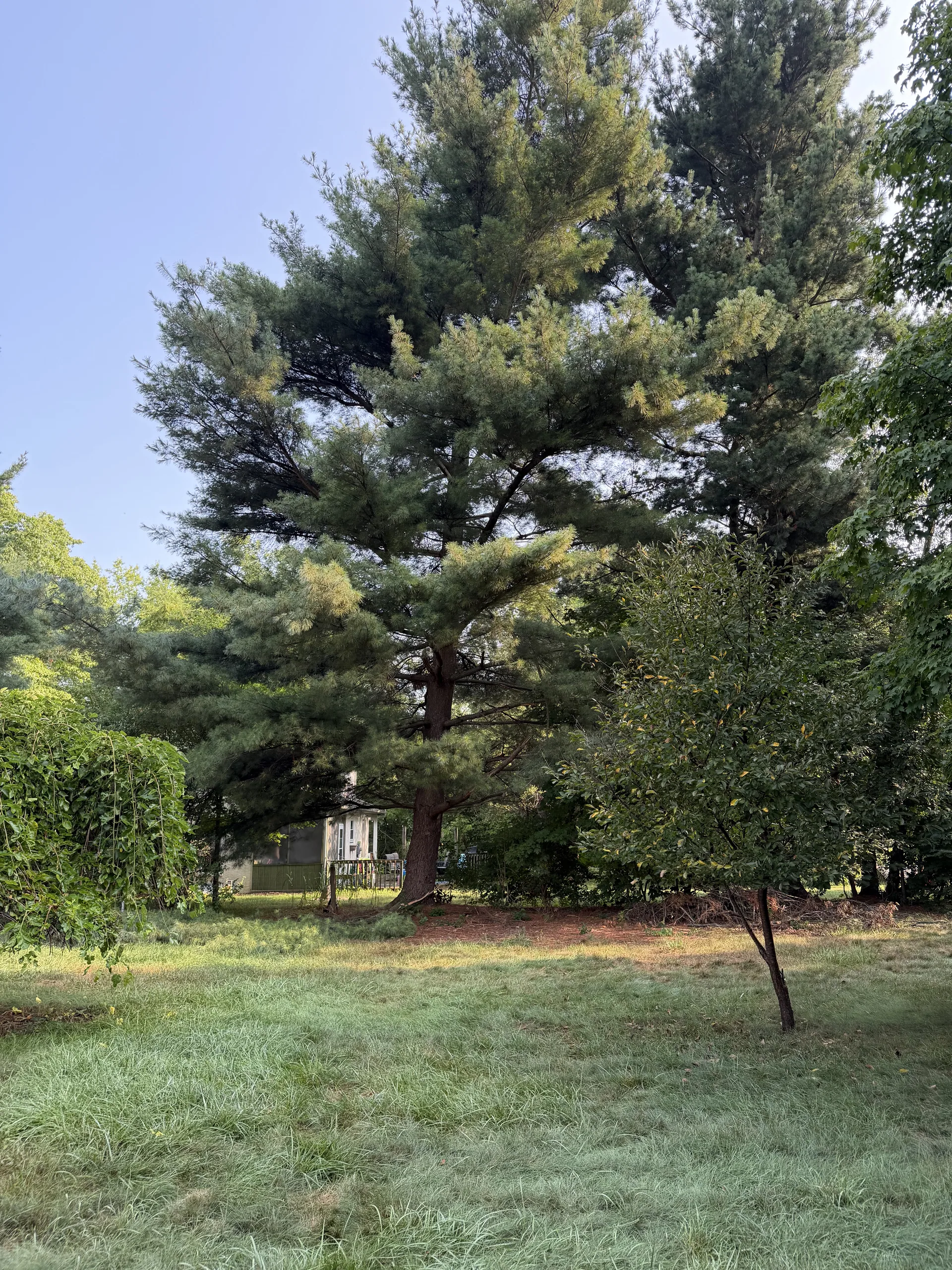
Drainage Grading to Move Water Away From Your Home
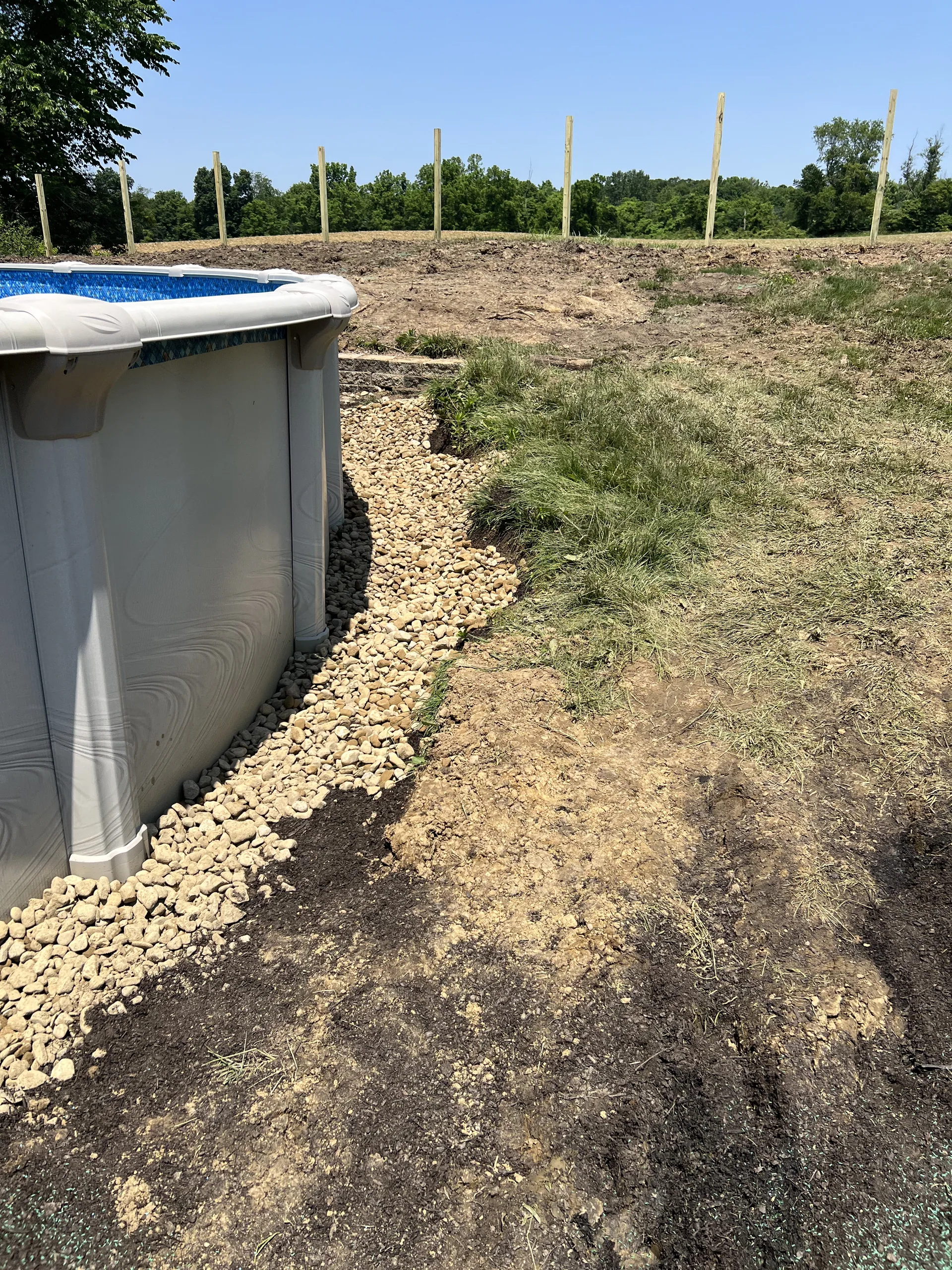
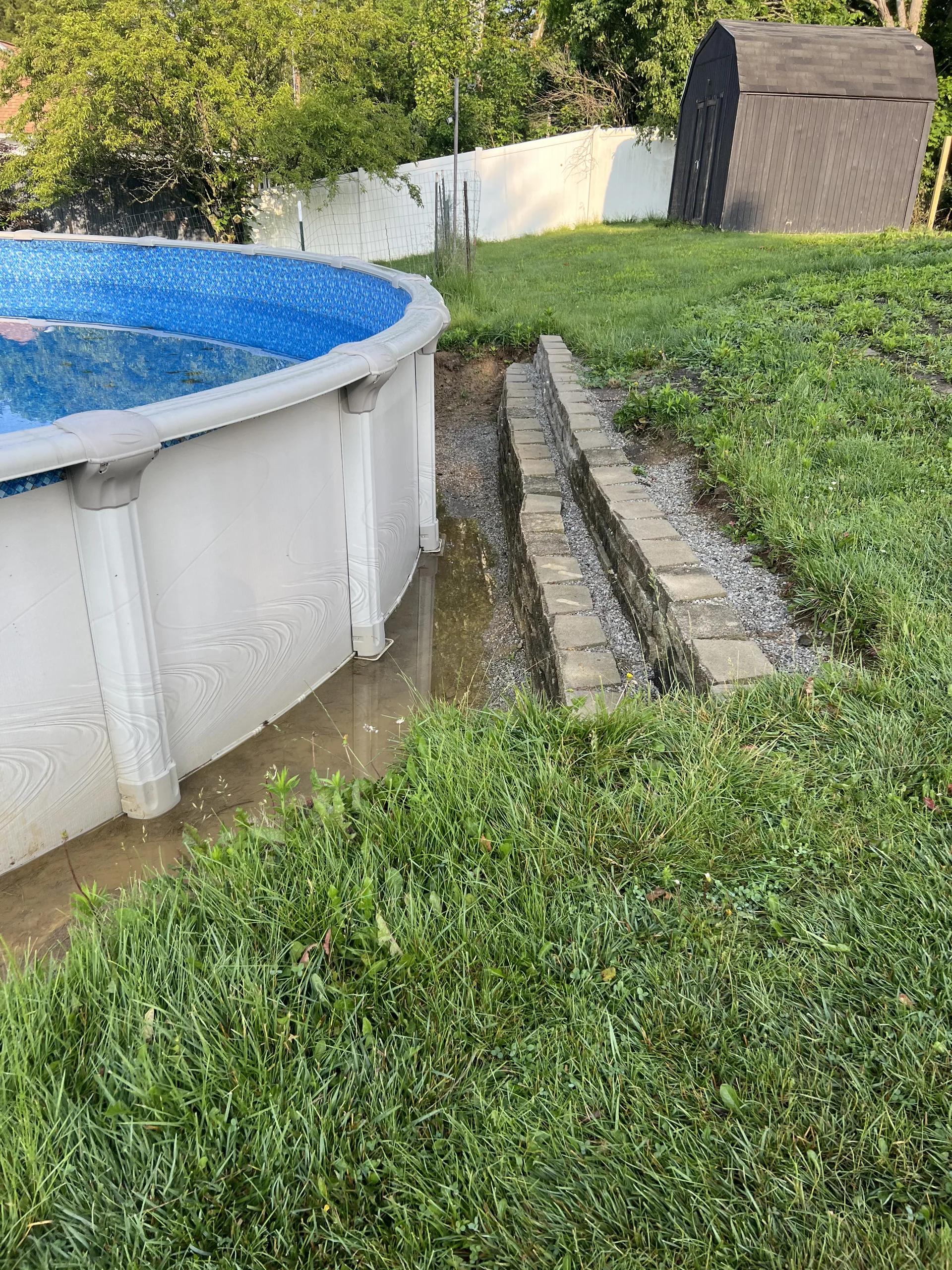
Drainage grading sets the ground so rain flows away from your foundation, driveway and patio. Ground that slopes toward a house sends water against the walls, which can lead to wet basements and foundation damage.
The usual fix is to build up soil near the building and slope it gently outward, then guide the water toward a lawn area, ditch or street where it can drain safely. On flatter lots, a swale (a wide, shallow channel in the grass) can carry water around the house. Giving the swale a gentle, even slope keeps water moving without cutting a ditch into the lawn.
Downspouts matter too. If they empty right at the foundation, even a good grade can be overwhelmed, so keeping them flowing with gutter cleaning in Lancaster helps the new grade do its job. A good grade also protects driveways and walkways, where standing water freezes into slick patches in winter.
Erosion Control Grading for Slopes and Bare Ground
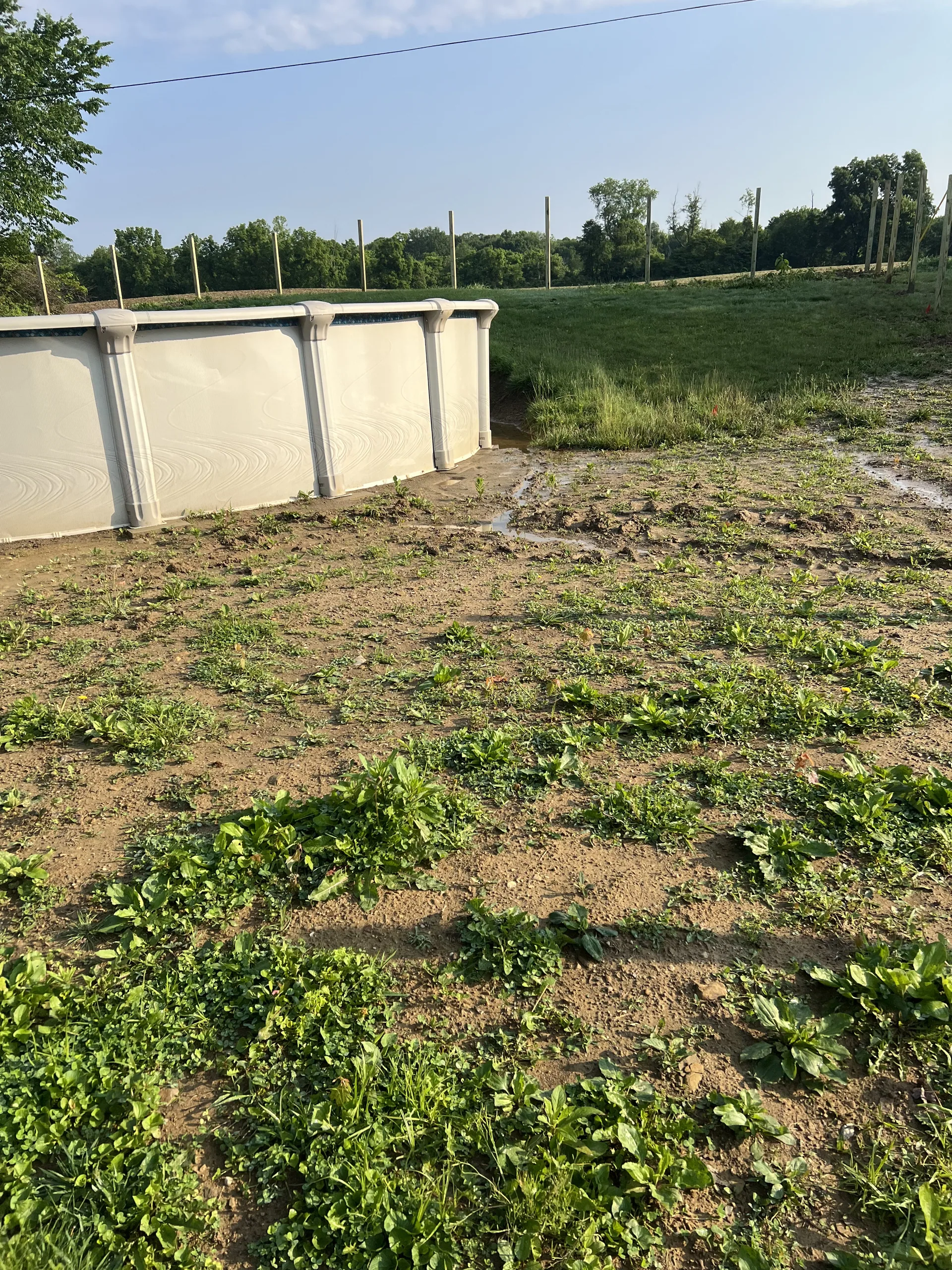
Erosion control grading reshapes slopes so rain soaks in or runs off slowly instead of carrying soil away. Steep, bare slopes lose topsoil with every storm, leaving gullies, muddy runoff and exposed roots. Slopes beside driveways and patios are frequent trouble spots, because runoff from hard surfaces speeds up when it reaches bare soil.
Softening a steep slope, breaking a long slope into shorter sections or steering water away from the steepest spot all slow the runoff down. Once the grade is right, covering the soil with grass, plants or mulch holds it in place.
Where a slope is too steep to grade gently, a retaining wall may be the better answer. Our hardscaping in Lancaster work can add one as part of the same project. Fixing a small gully early keeps it from growing into a costly repair.
Soil Compaction for a Stable Base
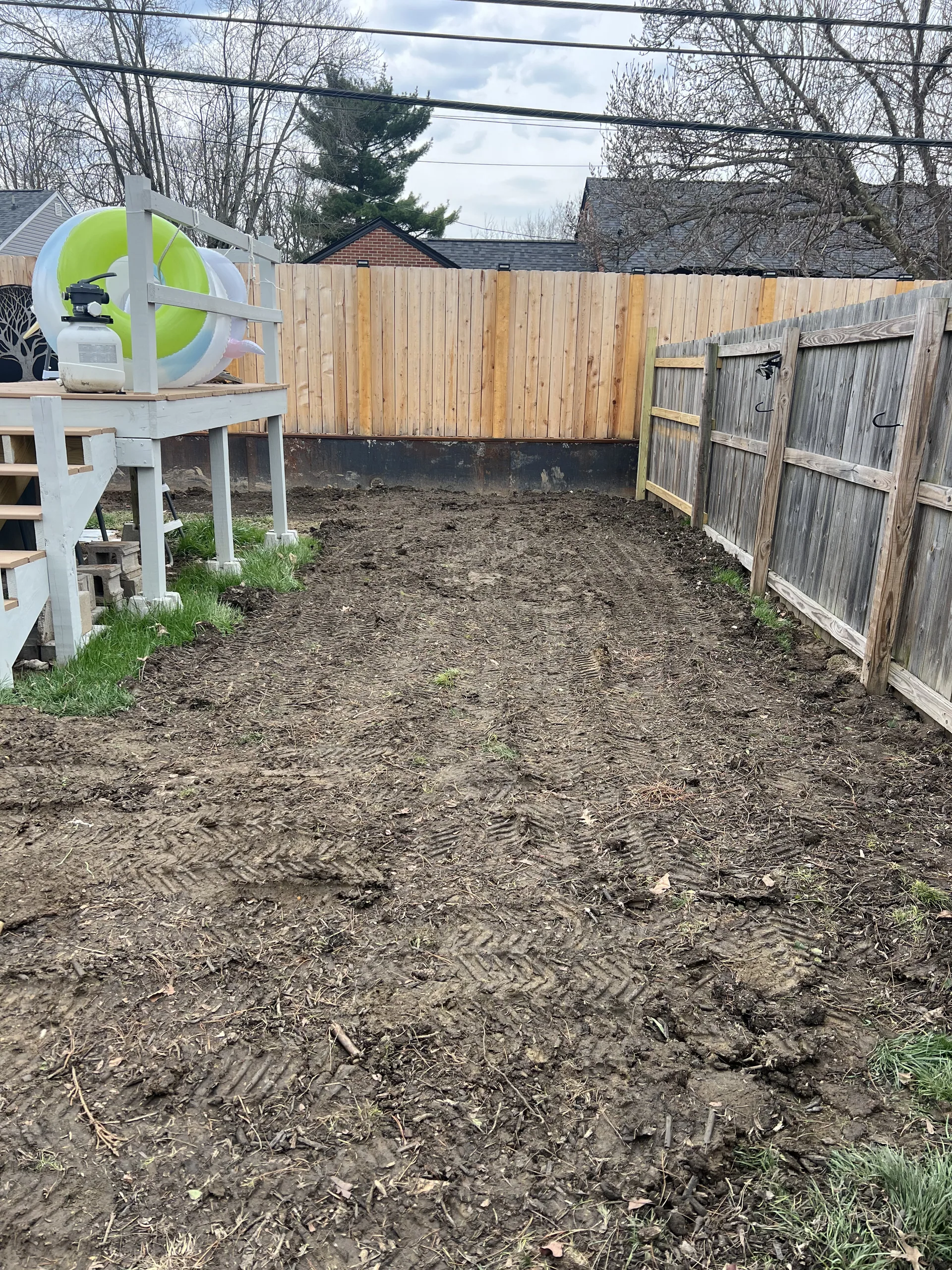
Soil compaction presses loose soil firmly together so it will not settle later. Freshly moved or filled soil is full of air pockets, and without compaction it sinks unevenly, leaving low spots and cracks in anything built on top.
Compaction is done in layers, a few inches at a time, so the soil is firm all the way down. Each layer is checked before the next one goes on. It is essential under patios, walkways and sheds, and in filled trenches or around foundations.
Lawns need a different balance. Ground meant for grass should be firm enough to walk on without sinking but loose enough near the surface for roots to spread, so the top layer is left ready for new growth. Seed or sod takes hold more evenly on ground prepared this way.
What Affects the Cost of Grading and Leveling
Land grading in Lancaster, OH, is quoted after a site visit, because the amount of soil to move changes with every property. The drainage problem being solved matters as much as the size of the yard.
Rates are flexible, with discounts for seniors, veterans and owners of large or multiple properties. We explain what the yard needs and why before giving a price, so the estimate makes sense.
- Size of the area being graded or leveled
- How much soil must be cut, brought in or hauled away
- Steepness of the slope
- Access for equipment around fences, trees and buildings
- Compaction needed under a future patio or walkway
- Preparing the ground for grass, beds or a patio afterward
Why Property Owners Trust Our Land Grading in Lancaster, OH
Grading is the foundation of every other outdoor project, and mistakes stay hidden until the next storm. The Sunshine Scenery explains plainly what the ground needs and why before any soil is moved. Land grading in Lancaster, OH, done right the first time saves the cost of tearing out a patio or reseeding a lawn later. The crew is licensed and insured and brings the same care to a small backyard as to a commercial lot.
Residential and commercial clients get the same consistency: steady communication, a crew that arrives when scheduled and follow-up once the work is done. If the result does not meet your expectations, the team comes back and makes it right.
Grading Services From Circleville to Zanesville
Ground conditions shift across the region, from older lots in town to larger properties out in the country. The approach stays the same everywhere: find where the water wants to go, then shape the land to guide it. Hillside lots need different shaping than flat ones, and ground beside older foundations often settles over the years, so each site gets its own plan.
Grading work often leads to other projects in nearby towns, such as landscaping in Circleville, landscaping in Lancaster, landscaping in Newark and landscaping in Zanesville. The whole range of landscaping and lawn care services is available across our service area. The same team handles grading in each of the 23 towns we serve.
Grading Questions
Land Grading and Drainage Questions
How much should a yard slope away from the house?
A common guideline found in residential building codes is for the ground to drop about 6 inches within the first 10 feet from the foundation. That slope is enough to carry rainwater away from the walls without making the yard feel steep. Where space is tight, a swale or other drainage feature can help move the water along.
What is the best time of year for grading in Ohio?
Grading works best when soil is dry enough to move and compact without turning to mud, which usually means late spring through fall. Very wet ground smears and compacts poorly, and frozen ground cannot be shaped at all. If water is getting into your home, though, the grading should not wait for perfect conditions.
Will grading ruin the grass I already have?
Areas where soil is cut or filled more than an inch or two will lose the grass on top and need new seed or sod. Shallow leveling can sometimes be done by spreading thin layers of soil over the turf so the grass grows through. We explain which areas will need regrowth before the work begins.
Can grading fix water in my basement?
Grading can solve basement water that comes from rain flowing toward the house, which is one of the most common causes. Raising and sloping the soil around the foundation sends water away from the walls. When water comes from a high water table or foundation cracks, grading helps, but a basement specialist may also be needed.
What happens if fill soil is not compacted?
Loose fill settles as rain and time squeeze out its air pockets, leaving low spots, puddles and cracks in anything built on top. A walkway or shed set on uncompacted soil can tilt or sink within a season or two. Compacting the fill in thin layers before anything goes on top prevents that settling.
Fix the Grade
Get Your Yard Draining and Level Again
Standing water and uneven ground do not fix themselves, and they usually get worse with every season. Call The Sunshine Scenery at (740) 243-3073 to have your yard looked at and get a clear plan for grading it right.